
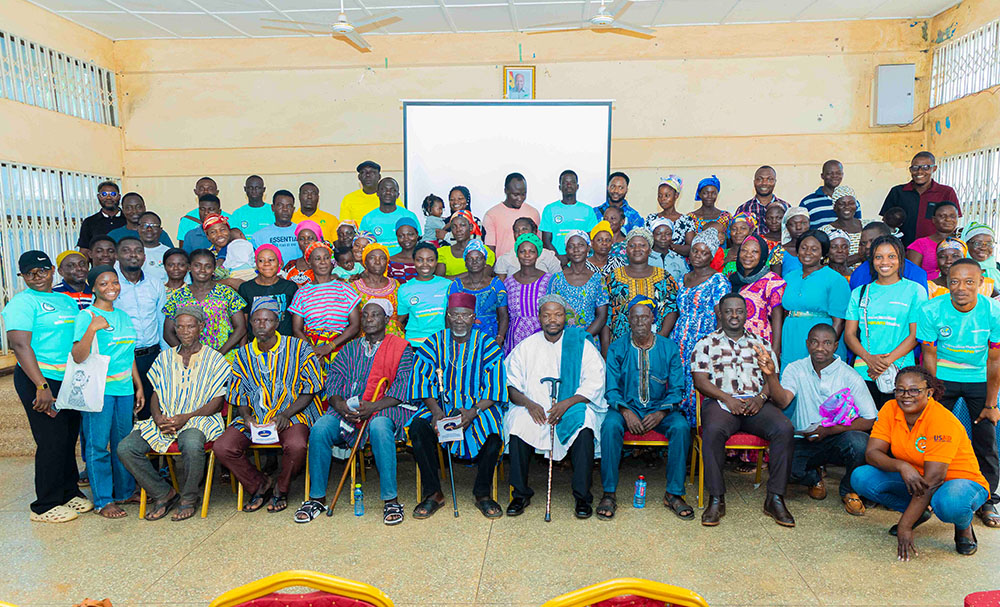
Researchers from the Department of Food Science and Technology at the Kwame Nkrumah University of Science and Technology, Kumasi (KNUST) have shared findings on the nutritional potential of indigenous foods with communities in the Saboba District of the Northern Region to help improve household nutrition and food security.
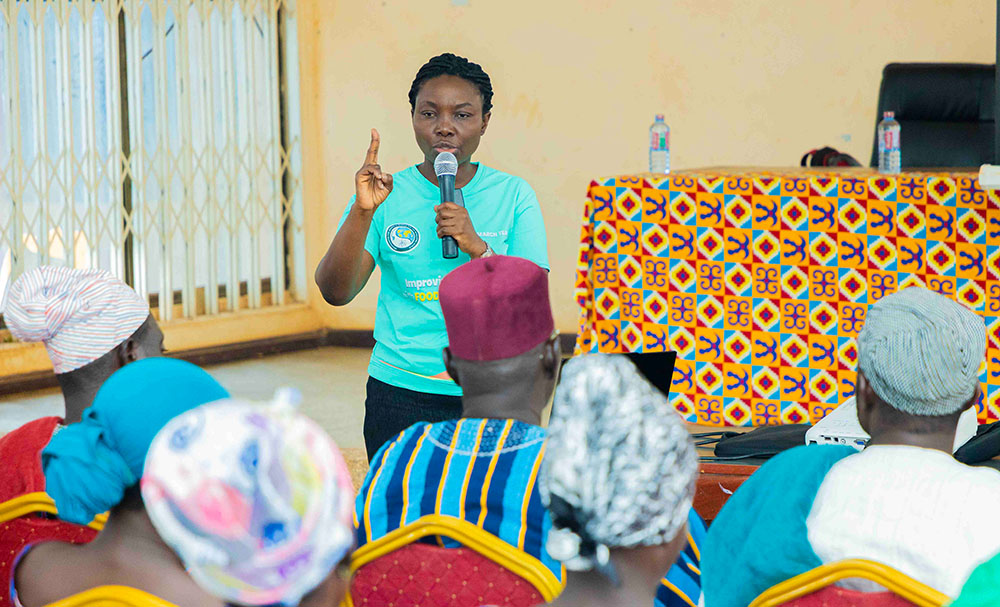
The workshop, held as part of the Foodscapes Research Project led by Dr Abena Boakye, brought together traditional authorities, district officials, health professionals, agricultural stakeholders and community representatives to discuss how households could apply the findings using locally available foods.
The research involved documenting indigenous foods, analysing their nutritional composition and working with residents to improve the nutrient density of traditional recipes. Workshop demonstrations covered standardised soups, enriched porridges and alternative uses of local ingredients.
Dr Boakye, the project’s principal investigator, said the team had worked closely with residents to develop food preparations suited to their dietary practices and available resources. Community participation, she said, was essential to developing methods households could adopt.
"We had to come back, have the conversation with them from what we observed, from what they prepared for us to take home, and how together we could make it better for them."
She said the demonstrations covered previously unexplored preparation methods, including the use of soya beans in traditional foods such as koose and porridge.
The wider objective, she said, was to make scientific knowledge accessible and useful to the people who contributed to the study.
"What we hope to achieve and what we know we have achieved is the fact that we have been able to translate our research findings from that typical traditional research publications into something that the community understands and the community can make good use of, so that they benefit from it."
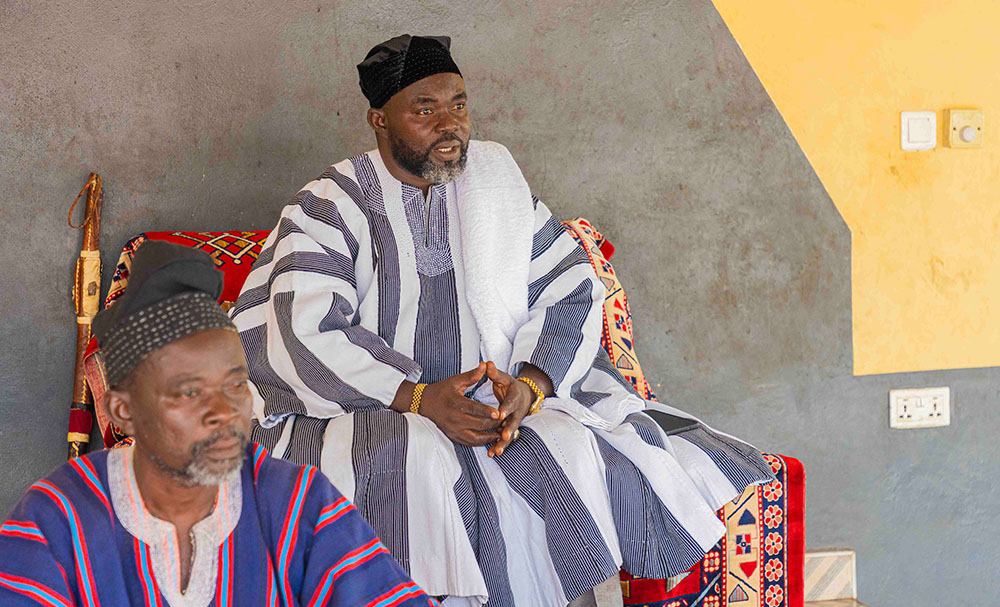
During a courtesy call, the Paramount Chief of Saboba welcomed the research but expressed concern that households were not fully benefiting nutritionally from the foods they produced.
He said that although residents cultivated various crops and reared livestock, limited knowledge of food preparation and use prevented families from obtaining the full nutritional benefits.
The chief said he was ready to work with the researchers and agricultural extension officers to share the findings with other community groups.
"A chief who has concern for the development of his people, the development of his community would want to partner with researchers like Dr Abena Boakye with her work done on the foodscape research. You have to partner with the government to bring development to your community. You have to partner with NGOs to bring development to your place."
He also said he intended to invite Dr Boakye to the district’s guinea corn festival in December to share the findings with a wider audience.
At the workshop, Ubor Mabinkun Timothy Gmafumi Simbeer IV, Unalogbor and representative of Uchabobor, welcomed the team’s return to Saboba and pledged to share the knowledge with other traditional leaders through council meetings and community engagements.
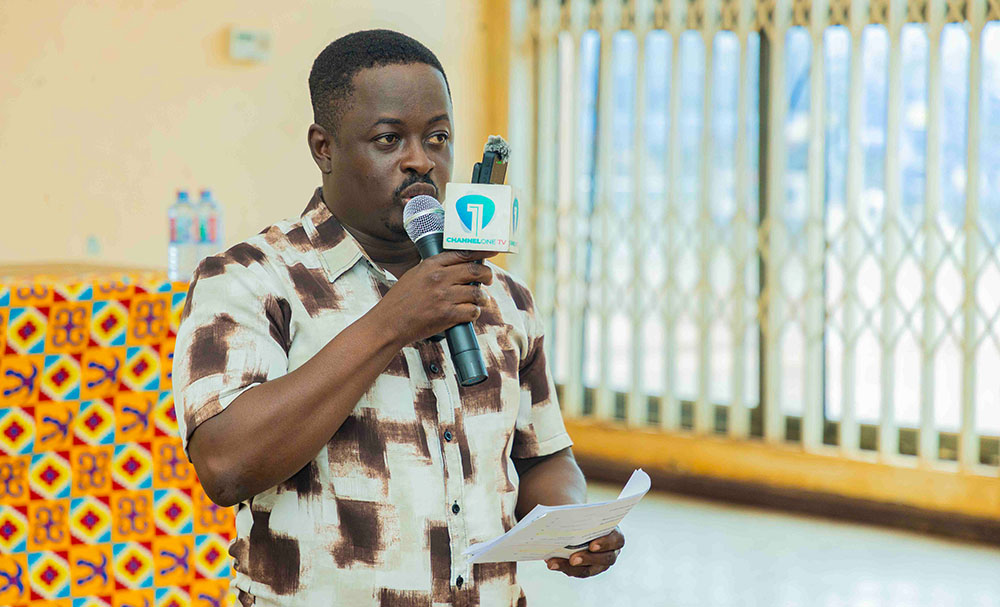
A representative speaking on behalf of the District Chief Executive, George Wumbei Bilimor, commended KNUST for returning to share its findings with the participating communities.
"Too often, research is carried out in our communities and the findings never return to the people. Today is different. You have come back to share what you found and, more importantly, to leave the knowledge in the hands of our own people."
The representative pledged the assembly’s continued support and willingness to help communities apply the findings.
The Ghana Health Service also welcomed the project, citing its relevance to maternal and child nutrition.
Speaking on behalf of the Saboba District Director of Health Services, a representative raised concerns about low haemoglobin levels among pregnant women and highlighted the importance of affordable, locally available foods in nutrition education.
"We will collaborate to integrate these findings into our routine nutrition education and community outreach programmes."
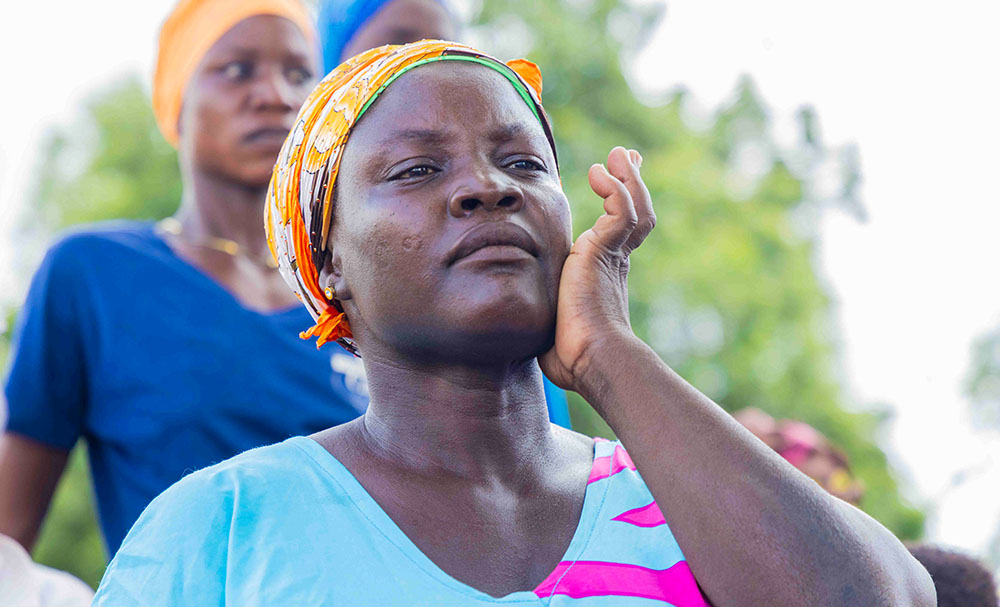
Sarah Solomon, a women’s group leader from Zagbeli, said the demonstrations had introduced participants to new ways of using soya beans, sweet potatoes and other local foods.
"We've learnt how to use the different foods to prepare soups, sweet potato to prepare Koose, how to prepare different types of porridge and how to use soya beans for porridge. we have noticed that our health is okay and getting better. There's no more sickness and we have been preparing good soups for our children and our family. We have learnt a lot from the research team and we like it."
Solomon said she was willing to organise other women and share the preparation methods, extending the knowledge beyond her household.
The research team also met district institutions involved in agriculture, health and nutrition to encourage continued use of the findings.
Dr Boakye said the research’s long-term value would depend on community leaders, public institutions and participating households applying and sharing the knowledge. The team had exchanged contact details with stakeholders and remained available to provide technical support, she added.
"We have left our contacts behind, we have taken their contacts and we've told them that we will be operating an open-door system, as and when they need information, as and when they need clarification. They are more than welcome to call us so that we can continue to engage."
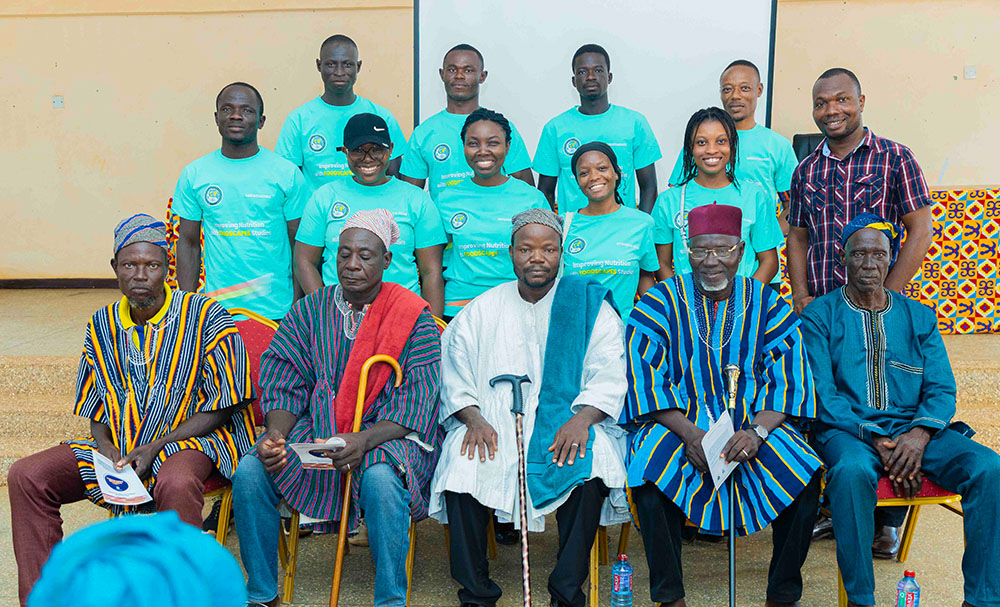
The workshop forms part of the Foodscapes project’s efforts to strengthen nutrition and food security through research, community participation and improved use of indigenous foods.
Story and photos by Emmanel Dankwah


